
Jewish Heritage: A 19-Day Chronicle of Coexistence
Highlights
- The Museum of Moroccan Judaism: A deep dive into the only museum in the Arab world dedicated to Jewish culture and history.
- The Living Mellahs: Comprehensive tours of the Jewish quarters in Fes, Marrakech, and Essaouira, focusing on the architectural and social history.
- Spiritual Pilgrimage: Visiting the shrines and cemeteries of renowned Zadikkim (saints) across the country.
- Intercultural Dialogue: Exploring the shared crafts, music, and culinary traditions that link the Jewish and Muslim communities of Morocco.
Casablanca
Chefchaouen
Tetouan
Tangier
Rabat
Fes
Erfoud
Merzouga
Boumalne Dades
Ait Ben Haddou
Marrakech
Essaouira
Experience Overview
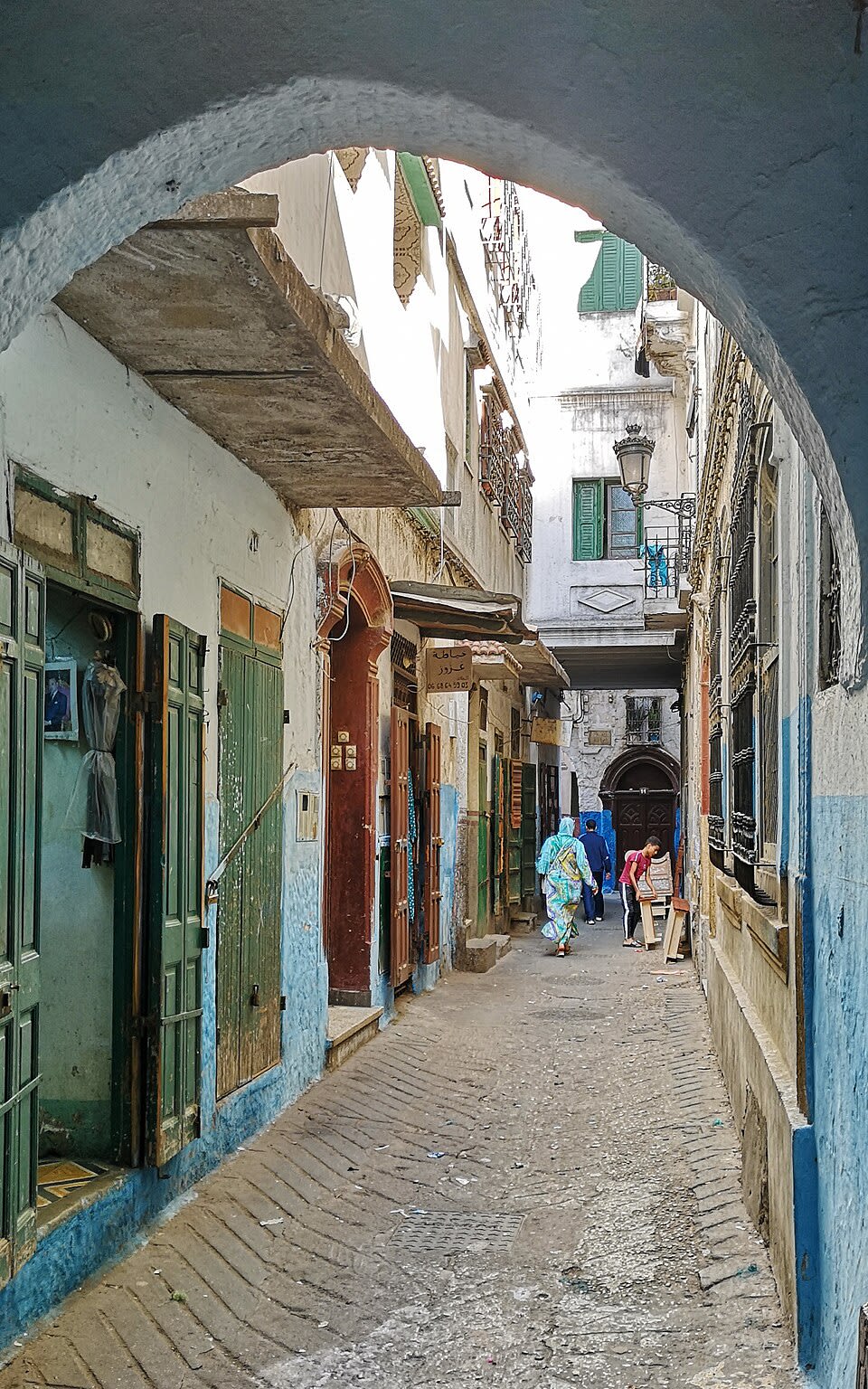
This 19-day journey is a profound exploration of the Mellahs, the historic Jewish quarters that have existed within the heart of Moroccan cities for centuries. We trace the lineage of the Sephardic Jews who fled the Iberian Peninsula and found sanctuary here, merging their traditions with the indigenous Amazigh and Arab cultures. This itinerary is designed to uncover the hidden synagogues, the sacred cemeteries, and the shared heritage that remains etched into the architecture and the very fabric of Moroccan society.
Duration
18 Nights
Best Time
All Year Round
Price
From $null
Destinations
Casablanca, Chefchaouen, Tetouan, Tangier, Rabat, Fes, Erfoud, Merzouga, Boumalne Dades, Ait Ben Haddou, Marrakech, Essaouira


1 / 8
Day 1
The Modern Legacy
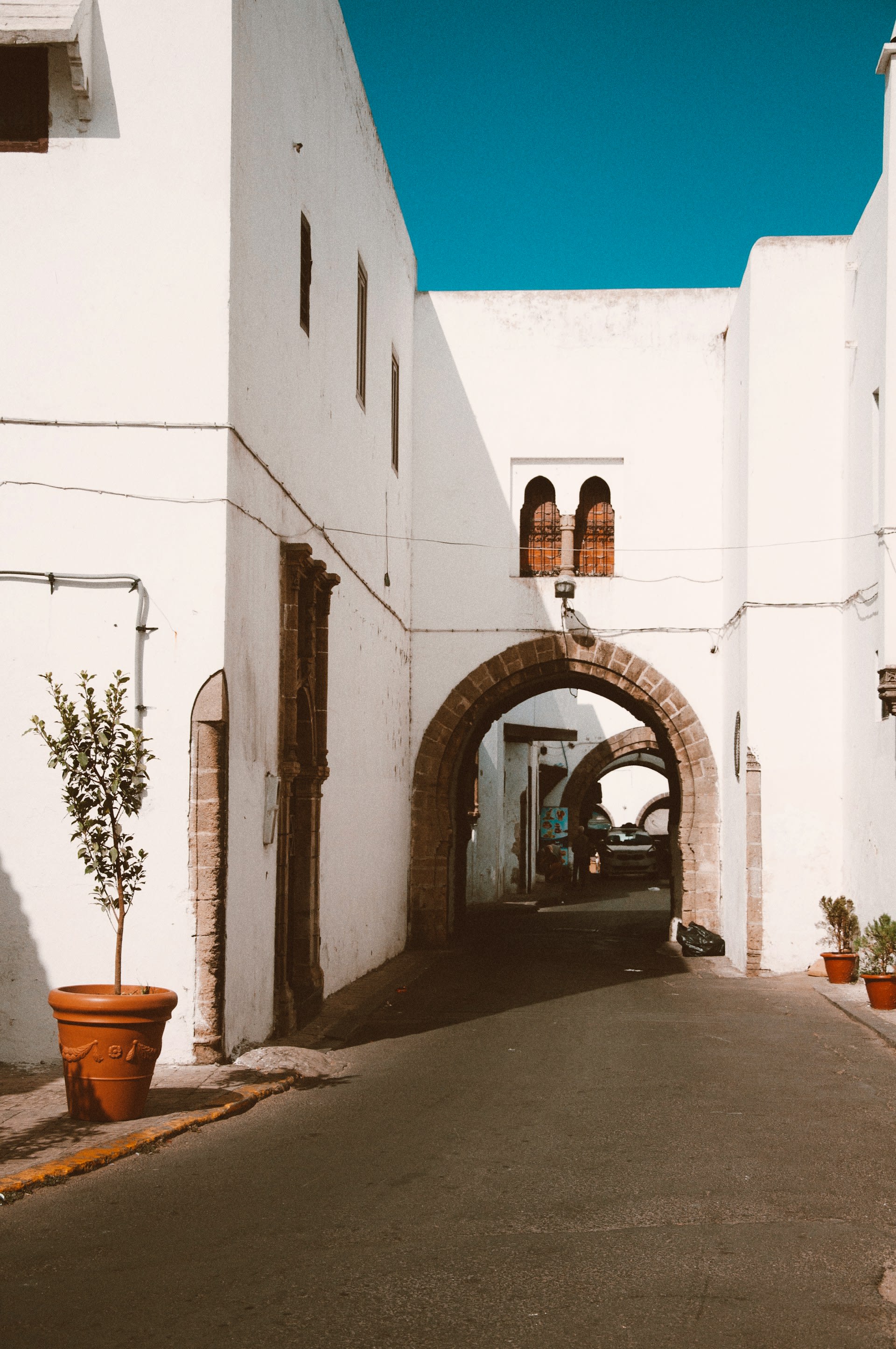
We begin in the economic heart of the country to visit the Museum of Moroccan Judaism, the only institution of its kind in the Arab world, which houses a vast collection of religious, ethnographic, and artistic objects. We continue to the Temple Beth-El, the centerpiece of the city's Jewish community, where the stunning stained-glass windows and majestic architecture tell the story of a community that remains vibrant and influential in modern Morocco.
Day 2
The Blue Refuge
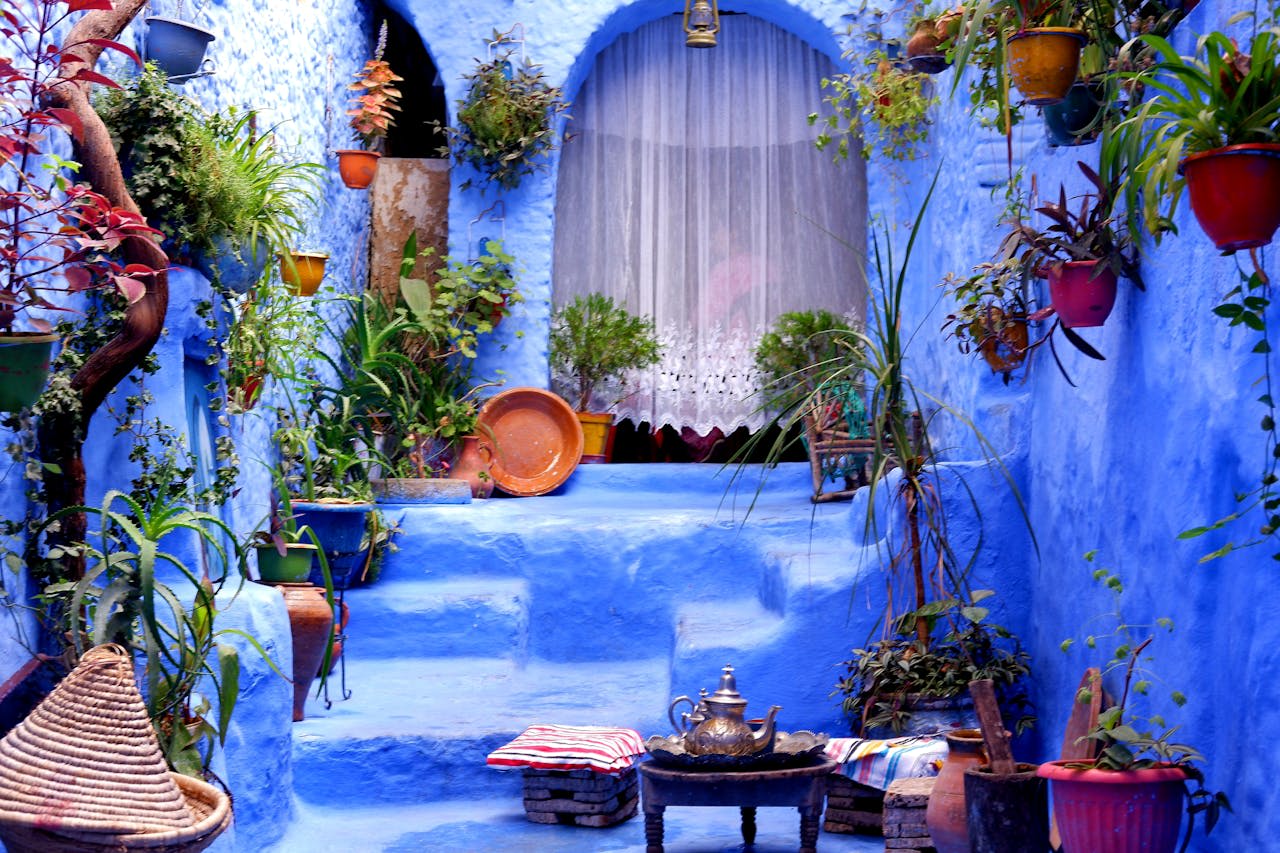
We drive north into the Rif Mountains to the "Blue Pearl," a city founded by refugees where the Sephardic influence is felt in the narrow, winding streets. We spend the afternoon exploring the Medina, where the tradition of painting the buildings blue is said to have been introduced by Jewish residents as a reminder of the sky and the divine, creating a meditative atmosphere that permeates every alleyway and plaza.
Day 3
The Hispano-Moorish Soul
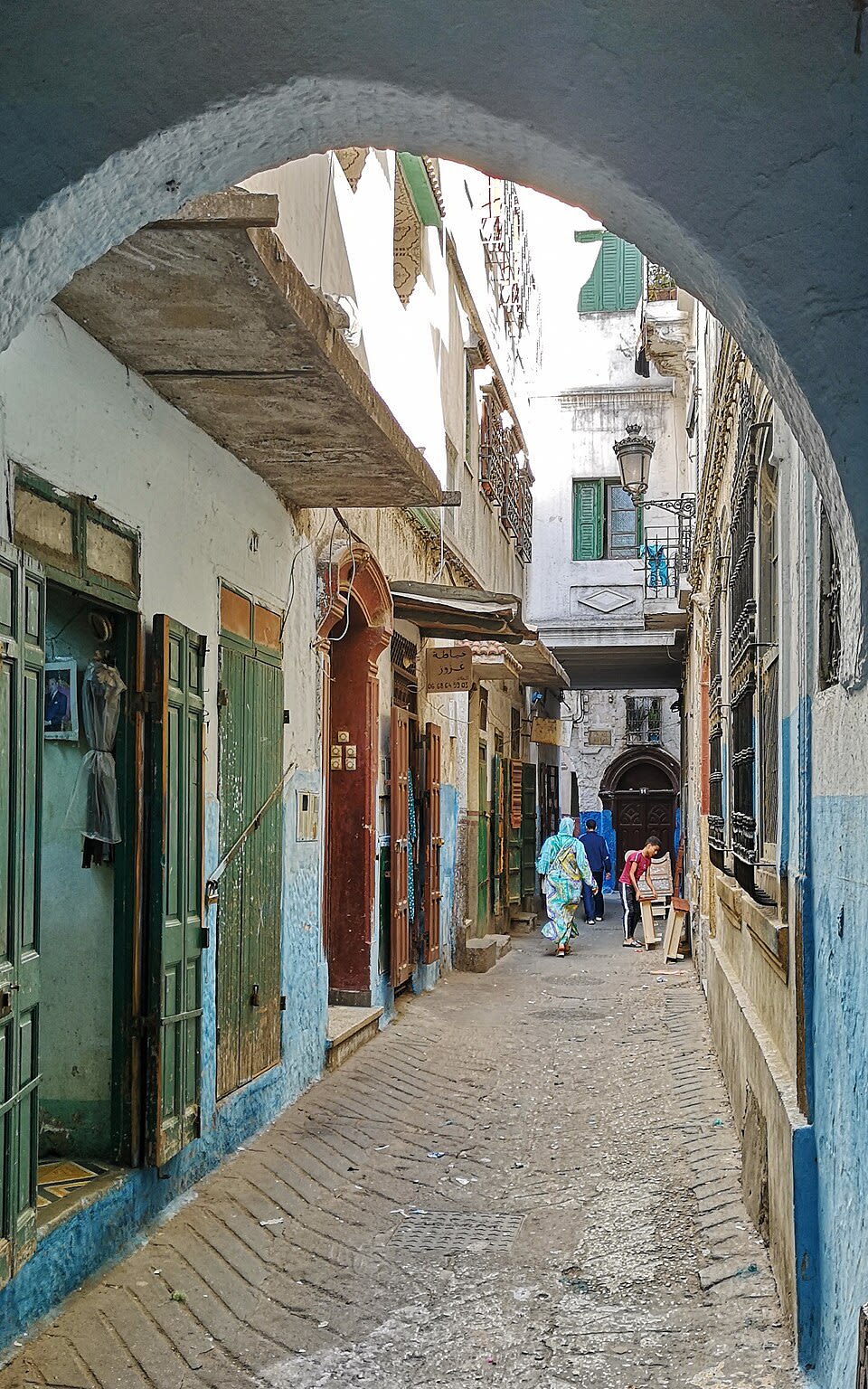
We descend to Tetouan, once known as "Little Jerusalem" due to its significant Jewish population following the 1492 expulsion from Spain. We visit the Mellah, characterized by its exceptionally straight streets—a rarity in Moroccan Medinas—and explore the Synagogue Isaac Ben Walid, a beautifully preserved temple that serves as a testament to the city’s role as a bridge between Andalusia and North Africa.
Day 4
The Gateway of the Strait
In the international city of Tangier, we explore the intersection of European and Moroccan Jewish history. We visit the Nahon Synagogue, hidden behind an unassuming facade in the Medina but revealing a breathtaking interior of intricate carvings and hanging lamps, and walk through the Jewish Cemetery overlooking the sea, where the gravestones tell the stories of prominent families who shaped the trade and diplomacy of the Mediterranean.
Day 5
The Imperial Capital
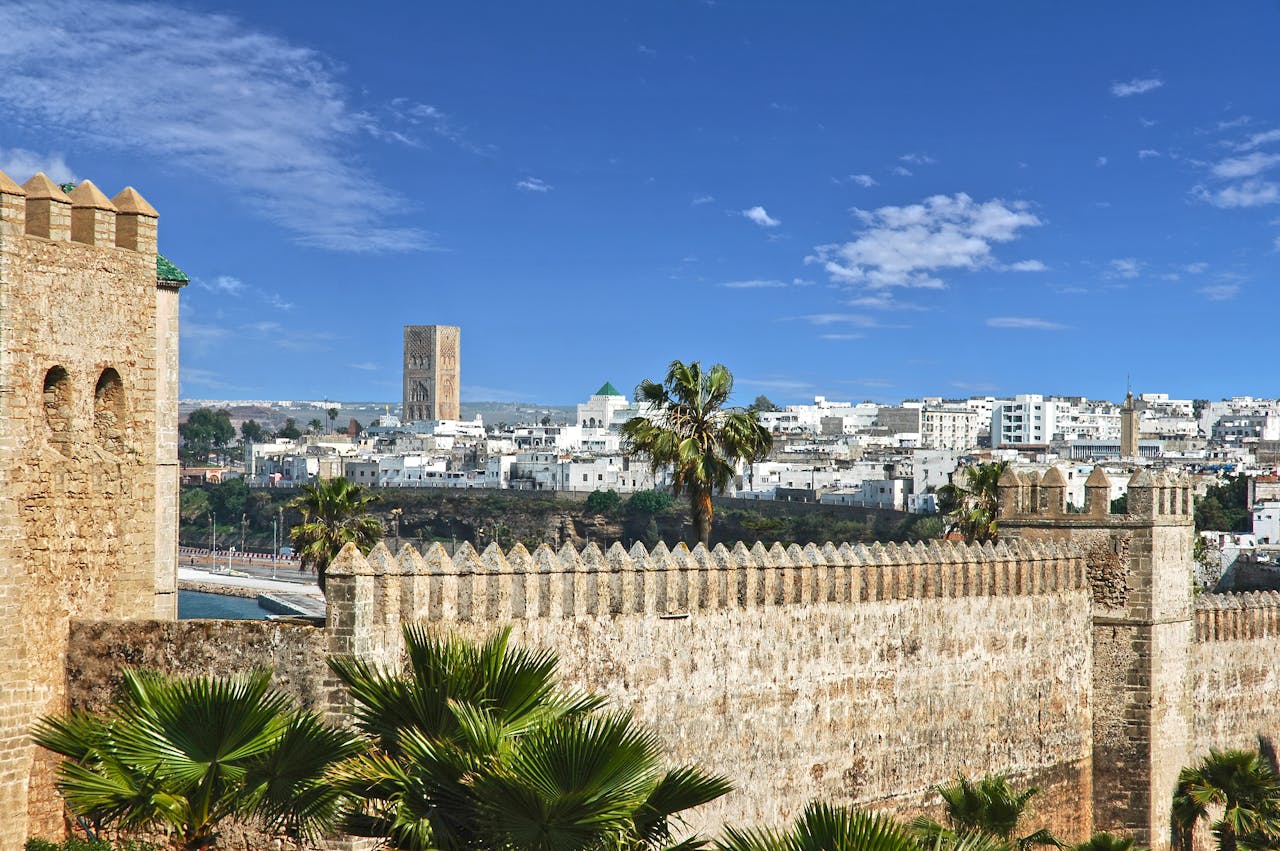
We arrive in the capital to visit the Mausoleum of Mohammed V, a symbol of the monarchy that has historically protected the Jewish community. We spend time in the Mellah of Rabat, exploring its proximity to the Royal Palace and the river
Day 6
The Imperial Capital
We visit the Salé side of the bank to honor the tomb of Rabbi Raphael Encaoua, a revered figure of justice and wisdom whose legacy continues to draw pilgrims from around the world.
Day 7
The Intellectual Heartland
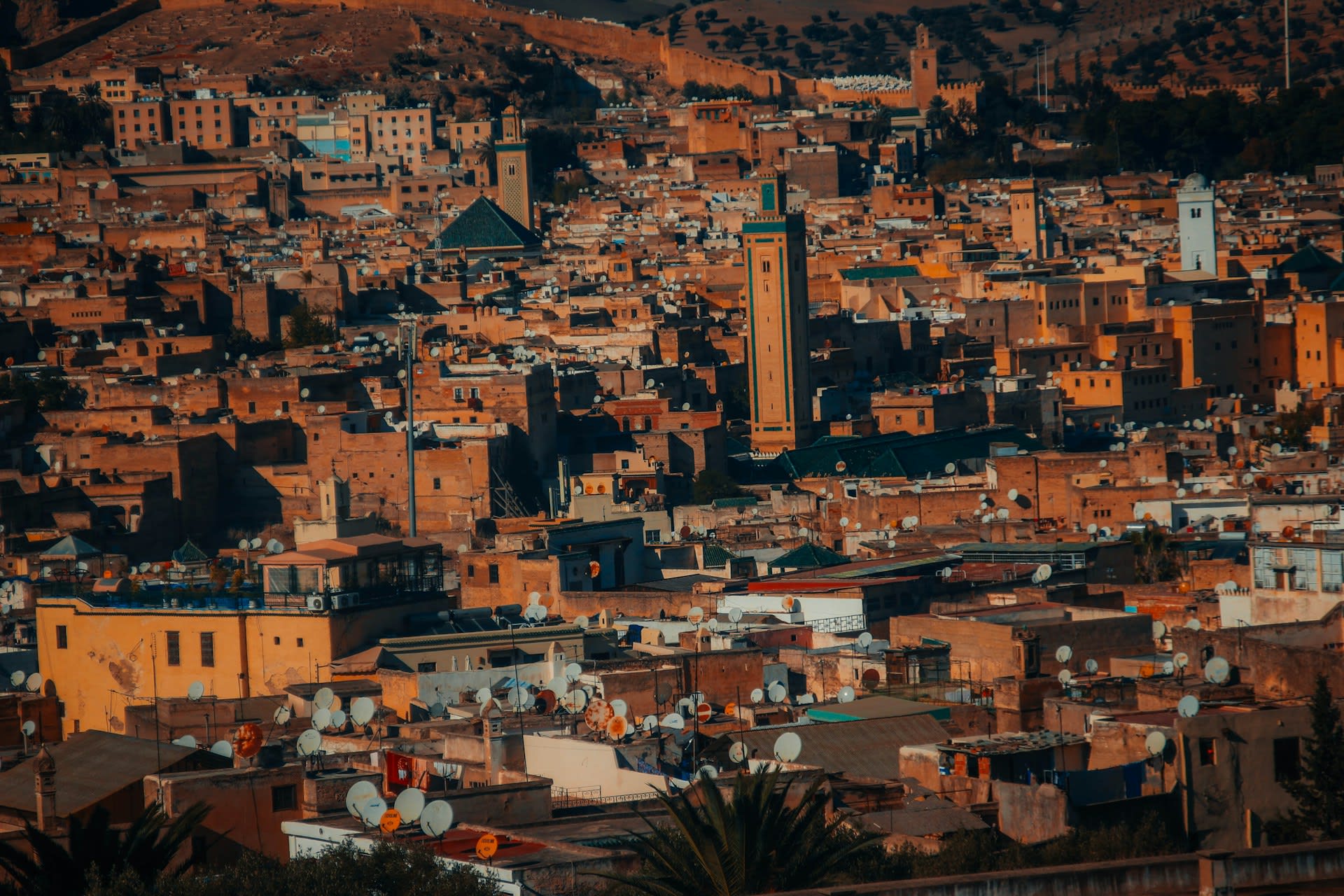
Two days are dedicated to the spiritual home of Moroccan Jewry and the city of the great philosopher Maimonides. We walk through the expansive Mellah of Fes, visiting the Ibn Danan Synagogue, a 17th-century masterpiece of Moroccan Jewish architecture.
Day 8
Home of Moroccan Jewry
We visit the vast, white-washed Jewish Cemetery, where the tombs of saints like Solica the Righteous stand as beacons of faith and history amidst the ancient city walls.
Day 9
The Gateway to the East
We journey toward the Tafilalet region, an area deeply connected to the Abihssira dynasty. In Erfoud, we explore the connection between the desert landscapes and the ancient Jewish communities that once thrived in the Saharan oases, visiting the local cemetery and learning how Jewish traders played a pivotal role in the trans-Saharan caravan routes that once connected the Mediterranean to Timbuktu.
Day 10
The Desert Stars
We venture into the golden dunes of Erg Chebbi, moving away from urban centers to understand the nomadic and rural Jewish life that existed in the pre-Saharan valleys. The evening is spent in the silence of the Sahara, reflecting on the historical isolation and resilience of the Jewish families who lived in the remote Ksours (fortified villages) at the edge of the great desert.
Day 11
The Valley of Roses
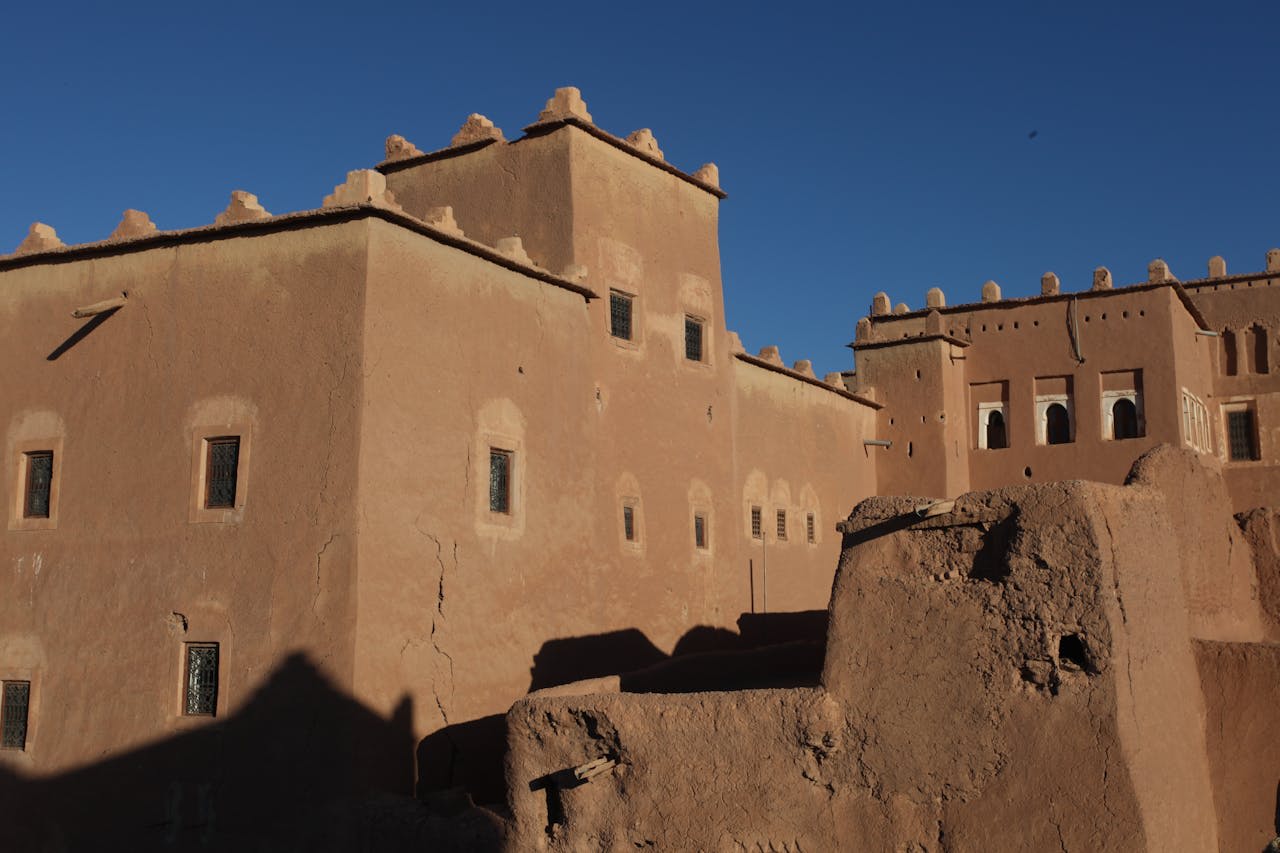
The journey continues through the Dades Valley, following the river as it carves through limestone canyons. We explore the architectural ruins of ancient Mellahs nestled within the palm groves, observing the unique blend of earthen construction and Jewish symbols that remain visible in the crumbling facades of the old communal granaries and family homes.
Day 12
The Guardian of the South
We visit the iconic Ksar of Ait Ben Haddou, a UNESCO site where Jewish and Berber families lived side-by-side for centuries. We walk the steep, fortified paths to the top of the hill, exploring the old synagogue area and understanding how this village served as a vital crossroads for cultural exchange and protection in the rugged Ounila Valley.
Day 13
The Red City Mosaic
We visit the Slat Al Azama Synagogue, built by the exiles from Spain, and explore its central courtyard which served as an educational hub for the community.
Day 14
Through the Mellah
We walk through the Mellah, visiting the Miaara Cemetery, the largest Jewish burial ground in Morocco, where the sheer scale of the graves reflects the historical importance of this community.
Day 15
Moroccan craftsmen
We explore the Bahia Palace and the Le Jardin Secret, focusing on the shared artistic language of Moroccan craftsmen, regardless of faith, who built these monuments of peace.
Day 16
The Atlantic Breeze
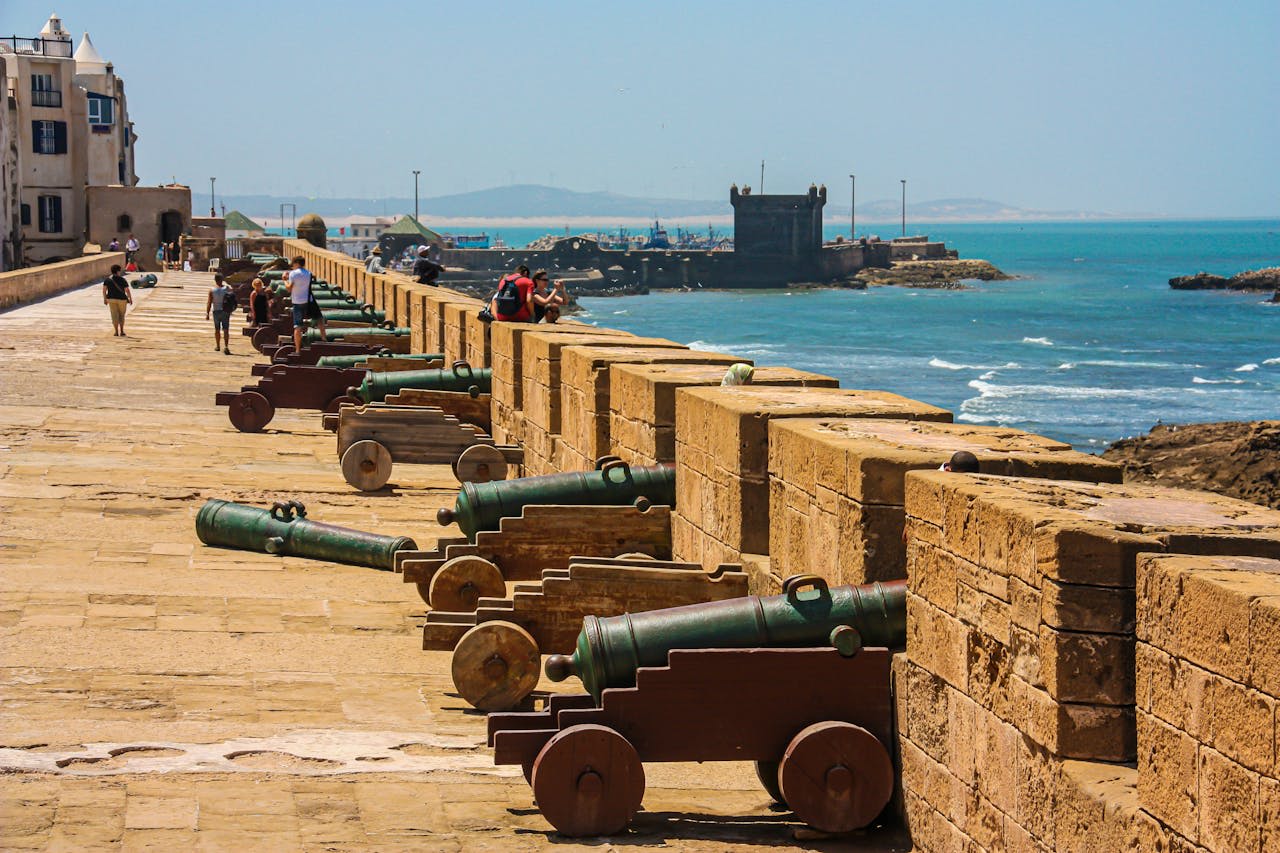
In the former Mogador, we find a city where Jews once outnumbered Muslims. We visit the Slat Lkahal Synagogue and the house of Rabbi Haim Pinto, a site of great spiritual significance. We walk the sea-breezed ramparts and explore the port, discussing how the Jewish "Sultan's Traders" turned this coastal town into a global commercial hub during the 18th and 19th centuries.
Day 17
The Full Circle
We return to where we began, allowing for a day of quiet reflection. We visit the Old Medina of Casablanca and its small, hidden synagogues that still serve the local residents, followed by a final evening walk along the coast, witnessing the modern coexistence that remains a cornerstone of Moroccan identity.
Day 18
The Final Departure
The journey concludes with a transfer to the airport. We take a final moment to look back at the minarets and the rooftops of Casablanca, carrying with us the stories of a heritage that is not just a part of the past, but a living, breathing component of Morocco's future.
Ready for Your Adventure?
Don't miss out on this unforgettable experience. Book your spot now and get ready to explore Jewish Heritage: A 19-Day Chronicle of Coexistence with our expert guides.
Similar experiences
1 / 7

Ready for Your Moroccan Journey?
Let us craft an unforgettable experience tailored just for you